
Why Record Keeping Matters for Your Business
HS
The Importance of Record Keeping
Good record keeping is one of the foundations of a well-run business. While keeping receipts, invoices, bank statements and other documents may feel like an administrative task, accurate records can make a significant difference to your business finances, tax compliance and decision-making.
The Australian Taxation Office (ATO) makes it clear that businesses have legal obligations when it comes to keeping records. Understanding these requirements — and developing good record-keeping habits — can help you stay organised and avoid unnecessary stress.
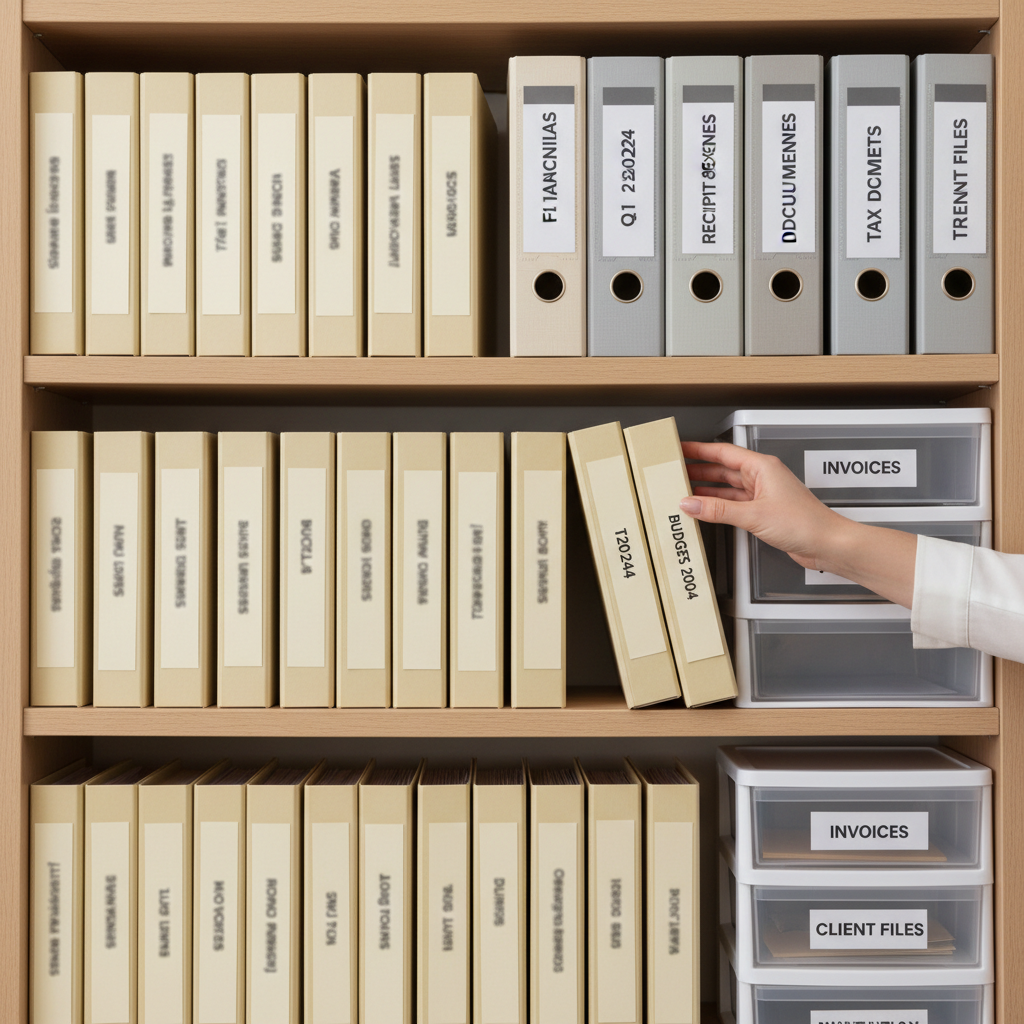
What does good record keeping involve?
Record keeping means maintaining clear and accurate documentation that records and explains your business transactions and activities.
Depending on your business, this may include:
Sales invoices and receipts
Purchase invoices and expense receipts
Bank statements
Payroll and superannuation records
Business contracts and agreements
Motor vehicle and travel records
Asset and depreciation records
GST records and tax invoices
Records supporting deductions and other tax claims
The ATO states that businesses are legally required to keep records relating to their tax, superannuation and registration affairs, including documents relating to business income and expenses.
Make record keeping part of your routine
The easiest way to maintain good records is to make record keeping part of your normal business processes rather than treating it as a once-a-year task.
Consider:
Recording income and expenses regularly.
Keeping receipts and invoices in an organised system.
Separating business and private transactions where possible.
Reconciling your bank accounts regularly.
Backing up important electronic records.
Maintaining records that support significant tax deductions and business decisions.
Reviewing your record-keeping processes periodically.
A skilled bookkeeper can manage this in a time effficent manner.

The bottom line
Record keeping is much more than an administrative requirement. It provides the evidence behind your tax returns, supports legitimate deductions, helps you understand your business and gives you greater confidence in your financial decisions.
The ATO provides detailed guidance on business record-keeping requirements, including what records to keep and how long to retain them.
For the latest information, visit the Australian Taxation Office – Record keeping for business.