Essential Bookkeeping Tips for End of Financial Year Preparation
HS
Organize Your Financial Documents
As the end of the financial year approaches, one of the most crucial steps is to organize all your financial documents. This includes invoices, receipts, bank statements, and any other relevant financial records. Keeping these documents in order ensures that you have everything you need for accurate bookkeeping and tax preparation.

Consider using digital tools or accounting software to manage these documents efficiently. These tools can help categorize and store documents securely, making it easier to retrieve them when necessary. Additionally, digital storage reduces the risk of losing important paperwork.
Reconcile Your Bank Accounts
Reconciling your bank accounts is another essential task. This involves comparing your internal records with your bank statements to ensure that all transactions are accounted for and accurate. Discrepancies may indicate errors or unauthorized transactions, which need to be resolved promptly.
Performing regular reconciliations throughout the year can simplify this process at year-end. It also provides a clearer picture of your financial health, allowing you to make informed decisions moving forward.

Review Your Accounts Receivable and Payable
It's important to review both your accounts receivable and payable before the financial year ends. For accounts receivable, ensure that all invoices have been issued and follow up on any outstanding payments. This will improve your cash flow and provide a more accurate financial snapshot.
On the accounts payable side, verify that all bills have been paid and that you have accounted for any expenses. This helps avoid late fees and maintains good relationships with your suppliers.
Assess Your Inventory
If your business deals with physical products, conducting an inventory assessment is vital. This involves counting your stock and comparing it with your records to identify discrepancies. An accurate inventory count helps determine your actual cost of goods sold and impacts your financial statements.
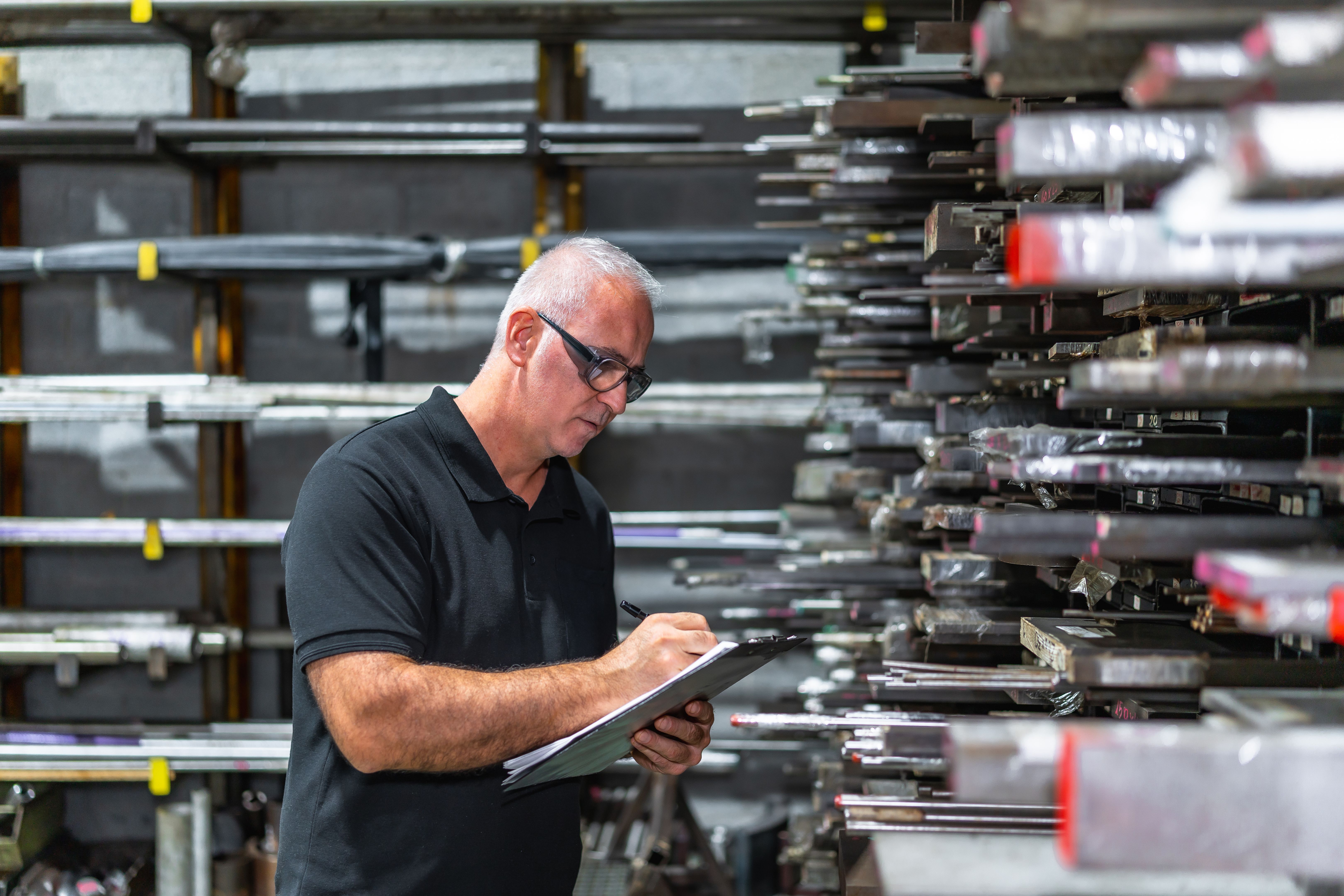
Consider implementing inventory management software to streamline this process. Such tools can automate tracking and provide real-time data, reducing the likelihood of errors.
Time to see the Accountant
Once your records are organised, its time to see your Accountant. Ensuring you meet your tax obligations is important and the right Accountant can make sure you get it right the first time around.